Blog
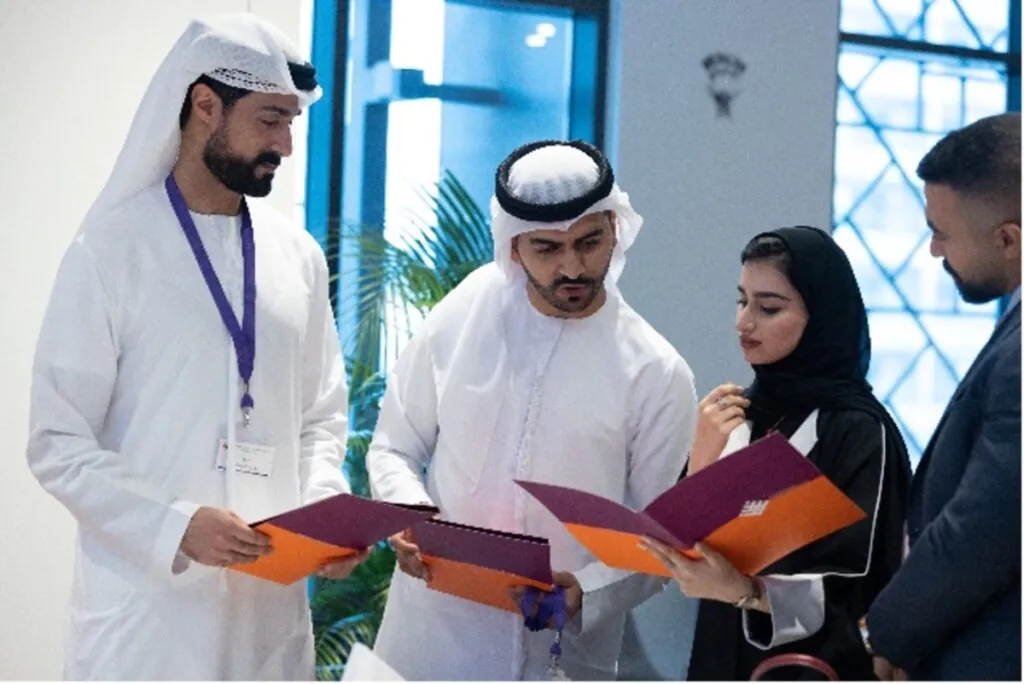
Marketing II – Designing the Student Enrollment Journey
This course helps higher education professionals understand and improve the full enrollment journey—from discovery to enrollment—by mapping the student experience as a connected system shaped by touchpoints, timing, and cross-team collaboration.
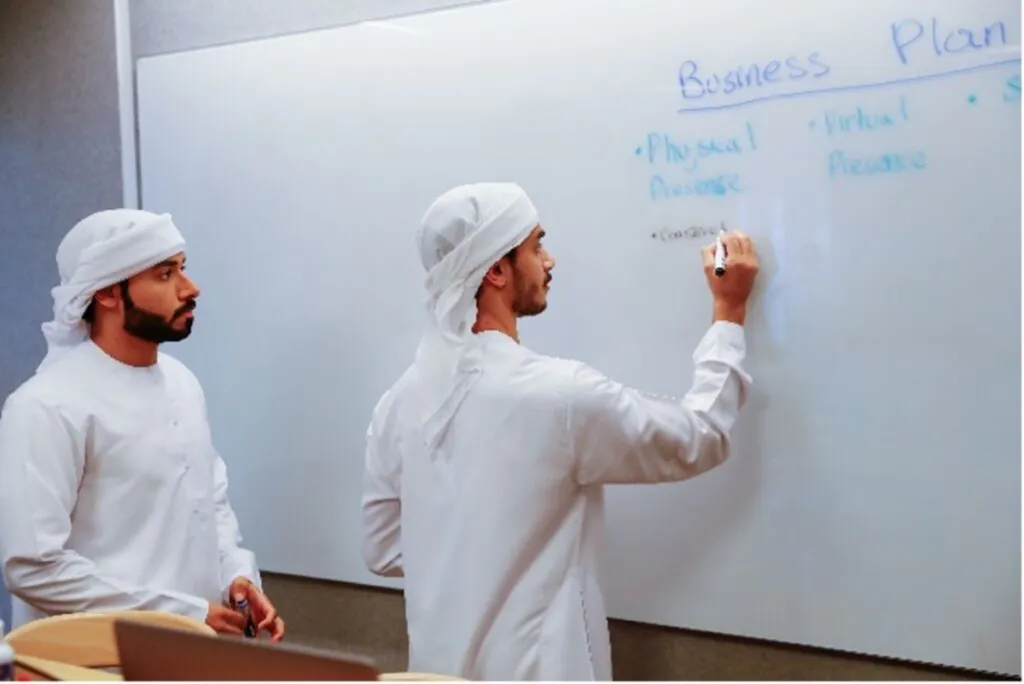
Marketing I – Precision Marketing for Higher Education
Precision Marketing for Higher Education is a practical, strategy-focused course that equips leaders to move beyond generic outreach toward personalized, data-driven engagement through actionable frameworks, persona development, and aligned, student-centered communication.
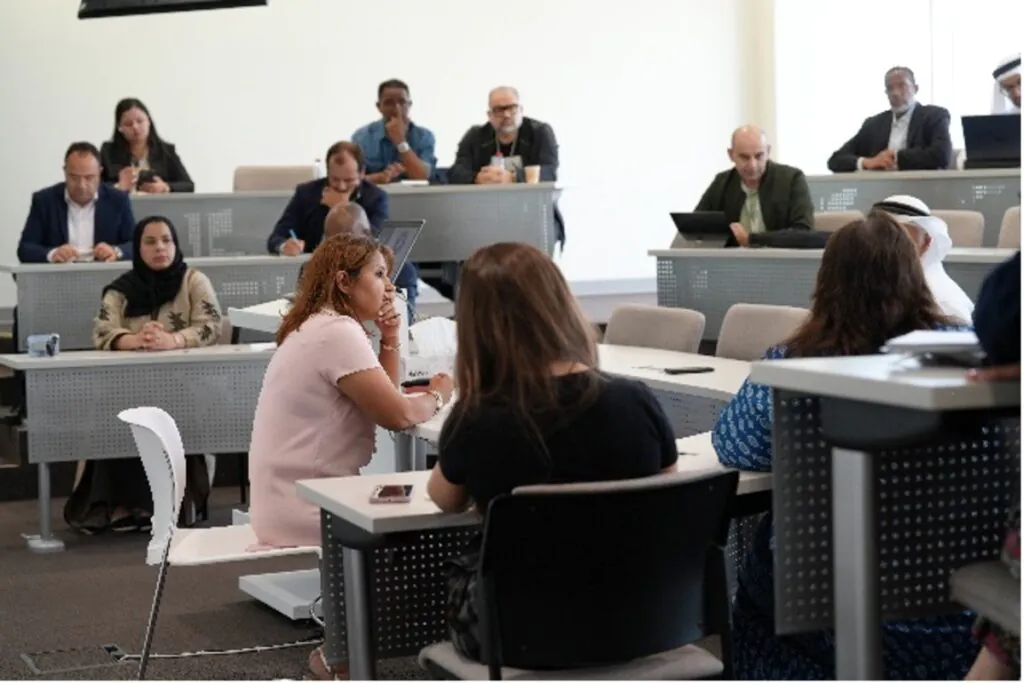
AE 304 : Designing and Scaffolding Collaborative Projects
Examine practical strategies and technology tools to effectively design, scaffold, and assess project-based learning experiences that promote critical thinking, problem-solving, and deeper student engagement.

AIT 303 : AI Unleashed Part III
Explore advanced Artificial Intelligence tools that extend beyond basic automation, enabling you to enhance course design, optimize workflows, and create more dynamic, efficient, and personalized learning experiences.
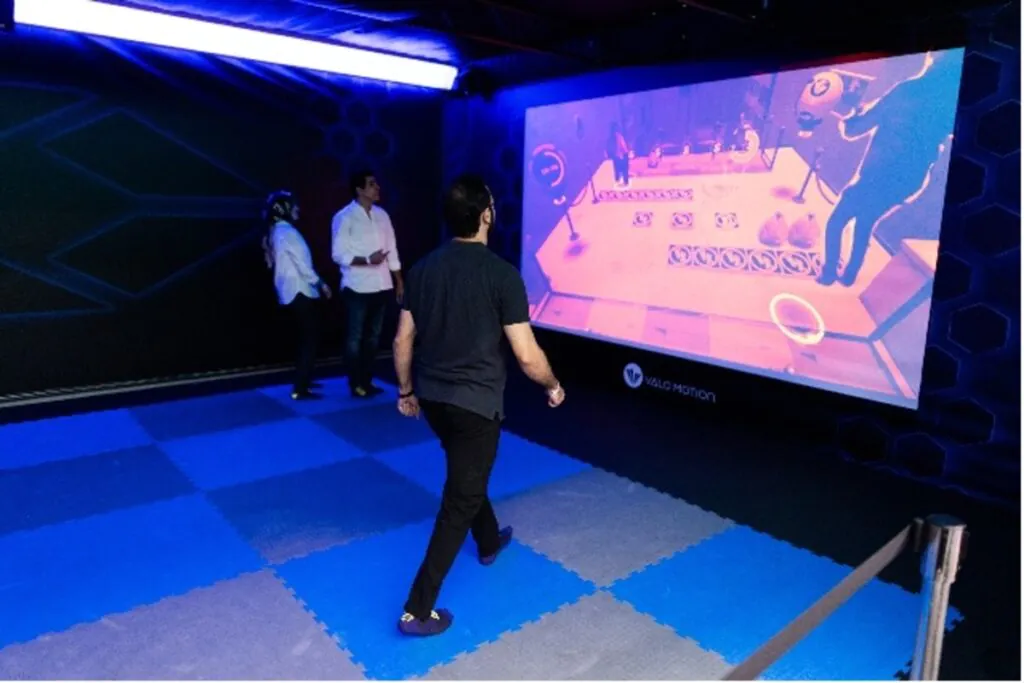
UIL 302 : Creating Inclusive and Accessible Virtual Learning Experiences
Build the ability to critically evaluate, adapt, and implement instructional materials that prioritize accessibility, inclusivity, and engagement in virtual learning environments, ensuring all learners, particularly those with physical and learning disabilities are effectively supported.
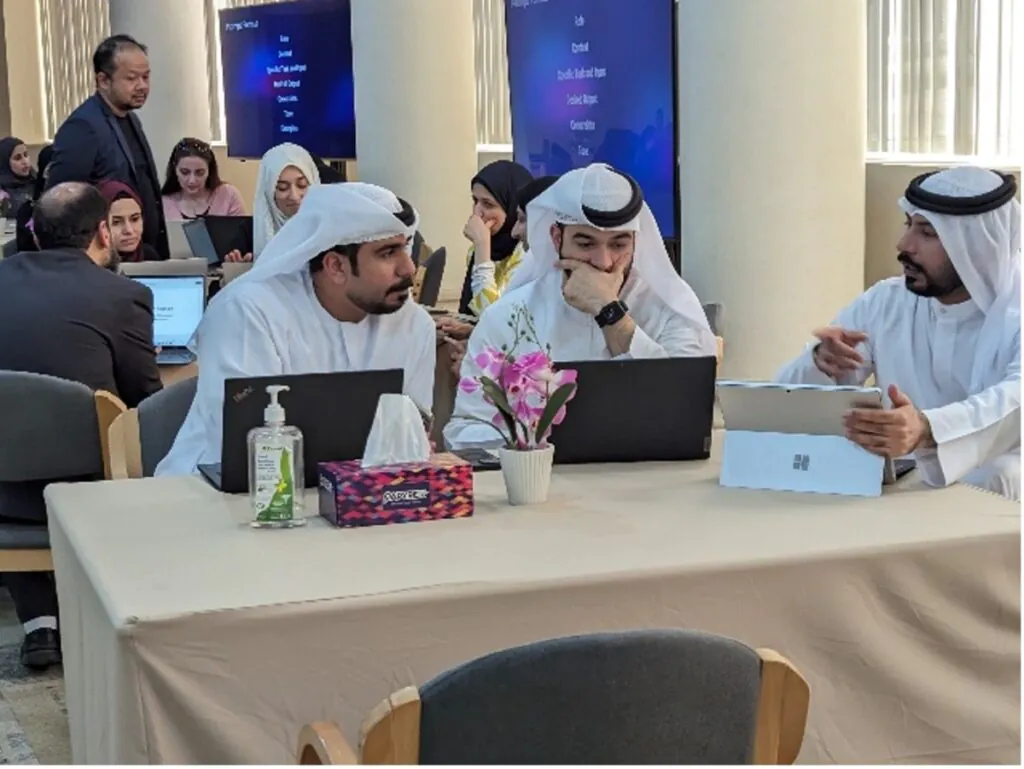
SCL301 : Mayer’s Principles: Practical Application for Hybrid Design
Develop the skills to create well-aligned, comprehensive rubrics that clarify performance criteria, enhance fairness in assessment, and make grading more efficient and actionable for both instructors and learners.
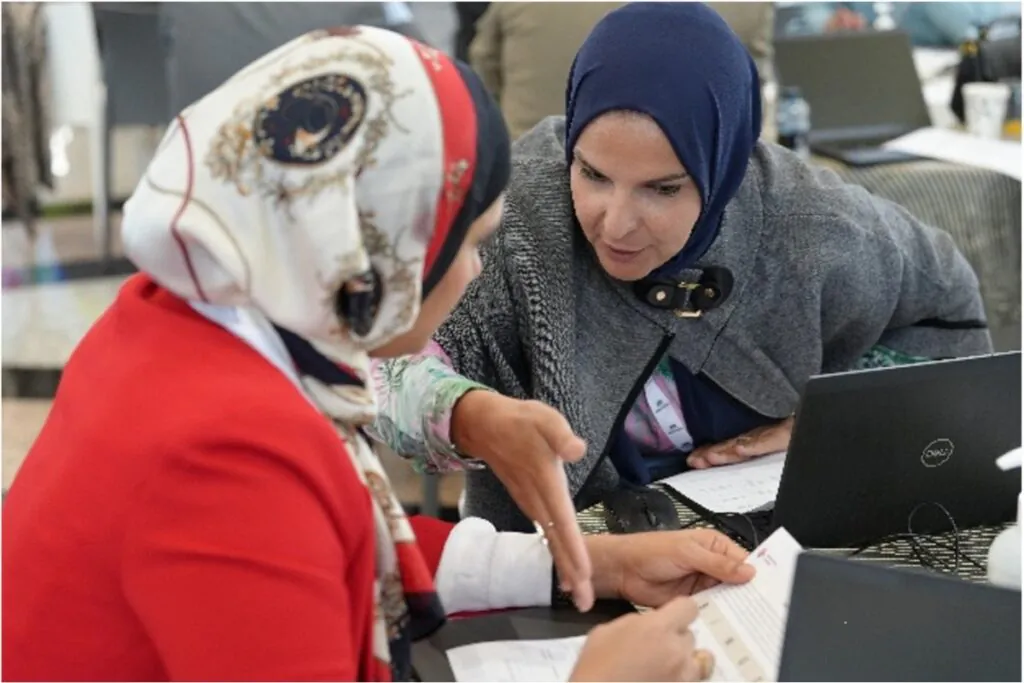
AE 204 : Grading Made Simple
Learn how to design clear, structured, and effective rubrics that communicate expectations transparently, support consistent evaluation, and streamline the grading process while providing meaningful feedback to students.
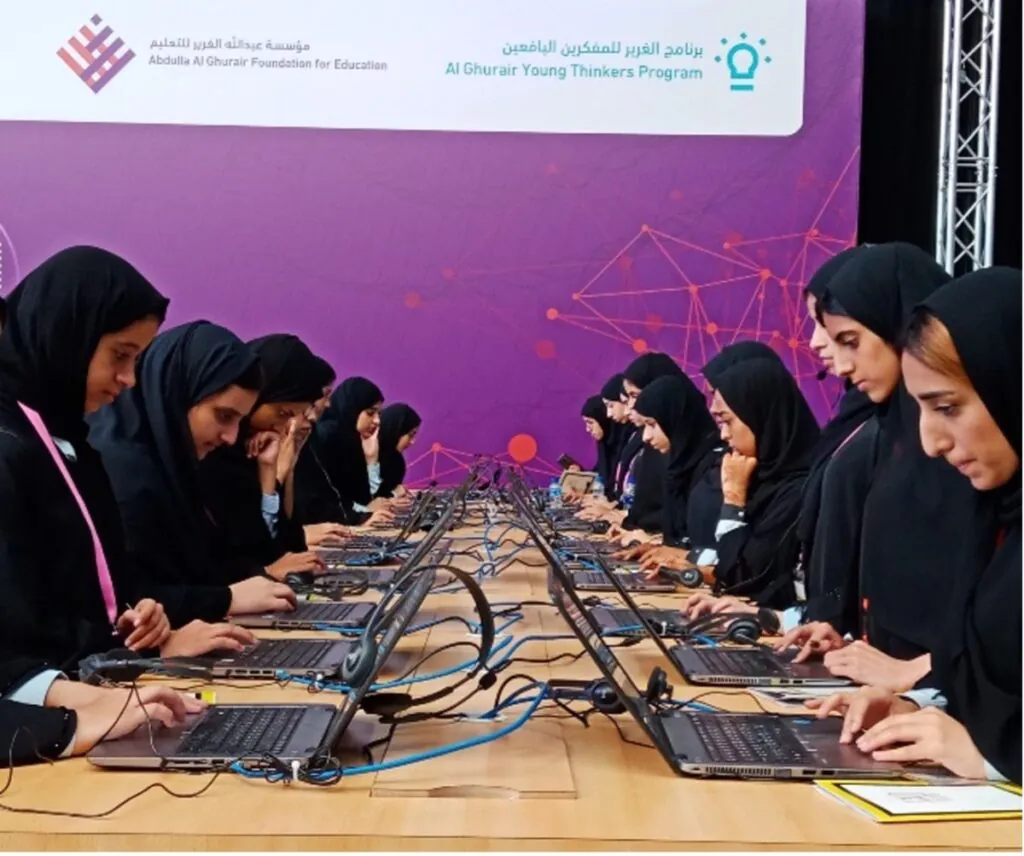
AIT 203 : AI Unleashed Part II
Leverage innovative Artificial Intelligence tools to deliver personalized, timely feedback and streamline administrative tasks, allowing you to focus more on meaningful student engagement and learning.

UIL 202 : Creating Learning Experiences that Stick
This course will help you identify and develop the key skills needed to create engaging and effective learning experiences using common presentation tools and graphic design techniques.

SCL 201 (AGF): Motivation Matters
Learn practical strategies to boost student motivation and engagement in hybrid learning environments, and explore tools and techniques that foster accountability, encourage active participation, and support the development of strong self-regulation skills.

AE 105 : Test Like a Pro: Creating AI-Proof Real-World Assessments
Design authentic assessments that mirror real-world tasks and scenarios, encouraging students to engage deeply, think critically, and apply their knowledge and skills in meaningful, practical ways.
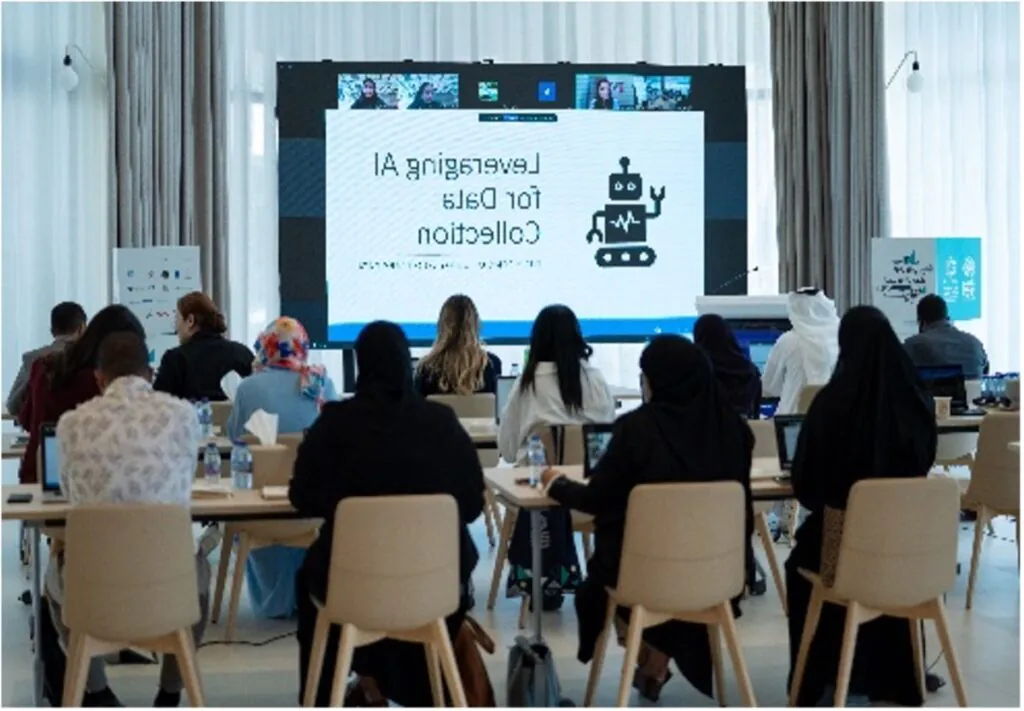
LDM 104 : Data is Gold: Decision-Making in Education
Develop a clear understanding of the importance of data in driving informed, evidence-based decisions, and learn how to leverage it effectively to enhance teaching practices and improve student learning outcomes.

AIT 103 : AI Unleashed – Using AI to Elevate Your Teaching Game
Explore innovative Artificial Intelligence tools that enhance learning experiences, streamline administrative and instructional tasks, and enable more personalized, timely, and effective student feedback.
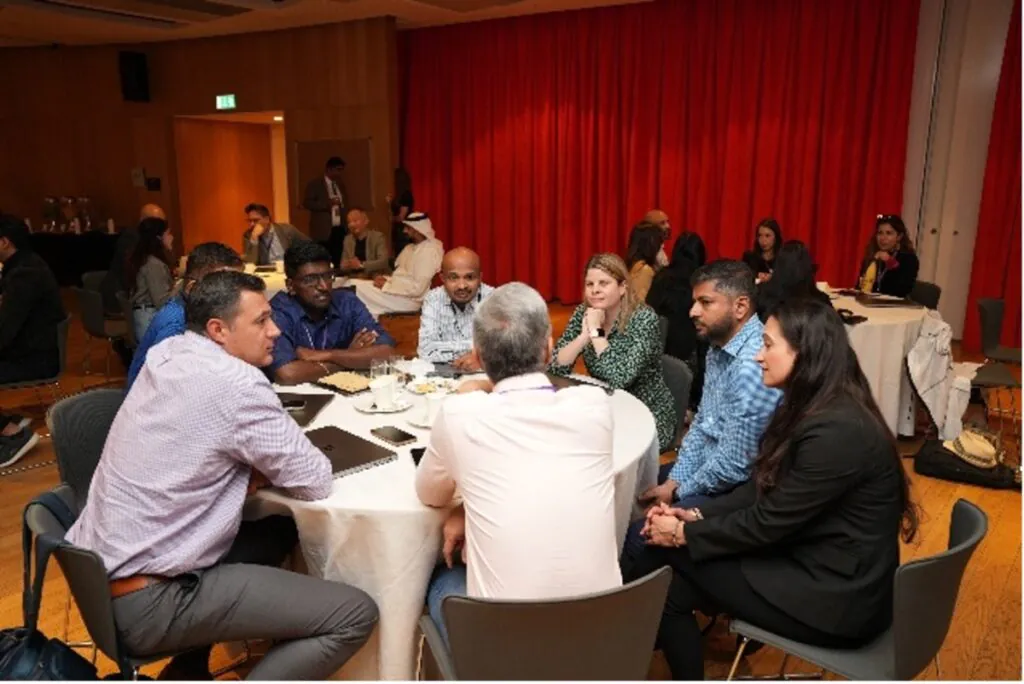
UIL 102 : Universal Design for Learning (UDL) Strategies
Apply advanced Universal Design for Learning (UDL) strategies to design inclusive, flexible learning experiences that effectively meet the diverse needs, preferences, and abilities of every learner.
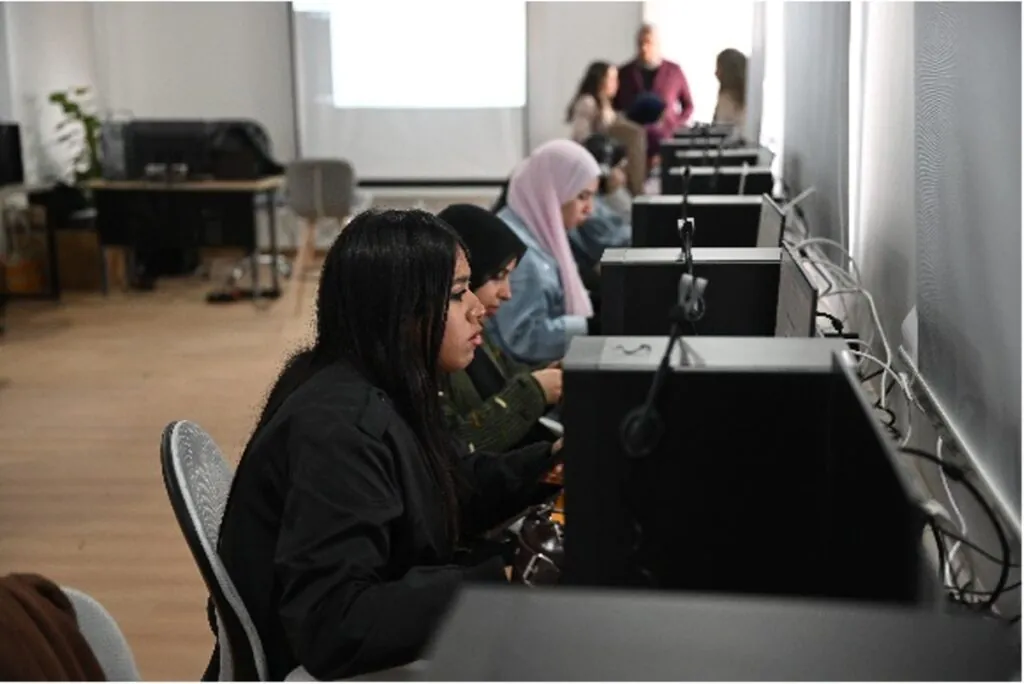
SCL 101 : An Introduction to Hybrid Student-Centered Learning
Develop a deeper understanding of the core elements that define a hybrid, student-centered learning experience, and explore practical strategies for applying them effectively in diverse educational contexts.